
Physics ·
IB Physics HL Paper 2 Analysis: Unit Weightage and Most-Tested Concepts
Explore IB Physics HL Paper 2 unit weightage and the top 10 most-tested concepts, based on the revised syllabus from the 2025–2026 exam sessions.
Blog
These are the explanations I end up giving most often in lessons, written down properly. The articles deal with understanding difficult physics rather than summarising it, and with the part students find hardest: what to do when a question does not look like anything you have practised.
Some pieces are about exam technique — how to read a question, how to structure a written answer, how to decide quickly on multiple choice. Others are about the conceptual mistakes that quietly cost marks, the ones that feel like understanding until a paper tests them. The rest are about revision strategy: what to practise, in what order, and how to tell whether a topic is genuinely finished.
They are written for IB, AP, A Level and other international students, and occasionally for the teachers reading over their shoulder. If you would rather see the method laid out in one place, start with how physics is taught here; if you want something to use tonight, the free study tools are on the resources page.
Latest
Physics ·
Explore IB Physics HL Paper 2 unit weightage and the top 10 most-tested concepts, based on the revised syllabus from the 2025–2026 exam sessions.
Physics ·
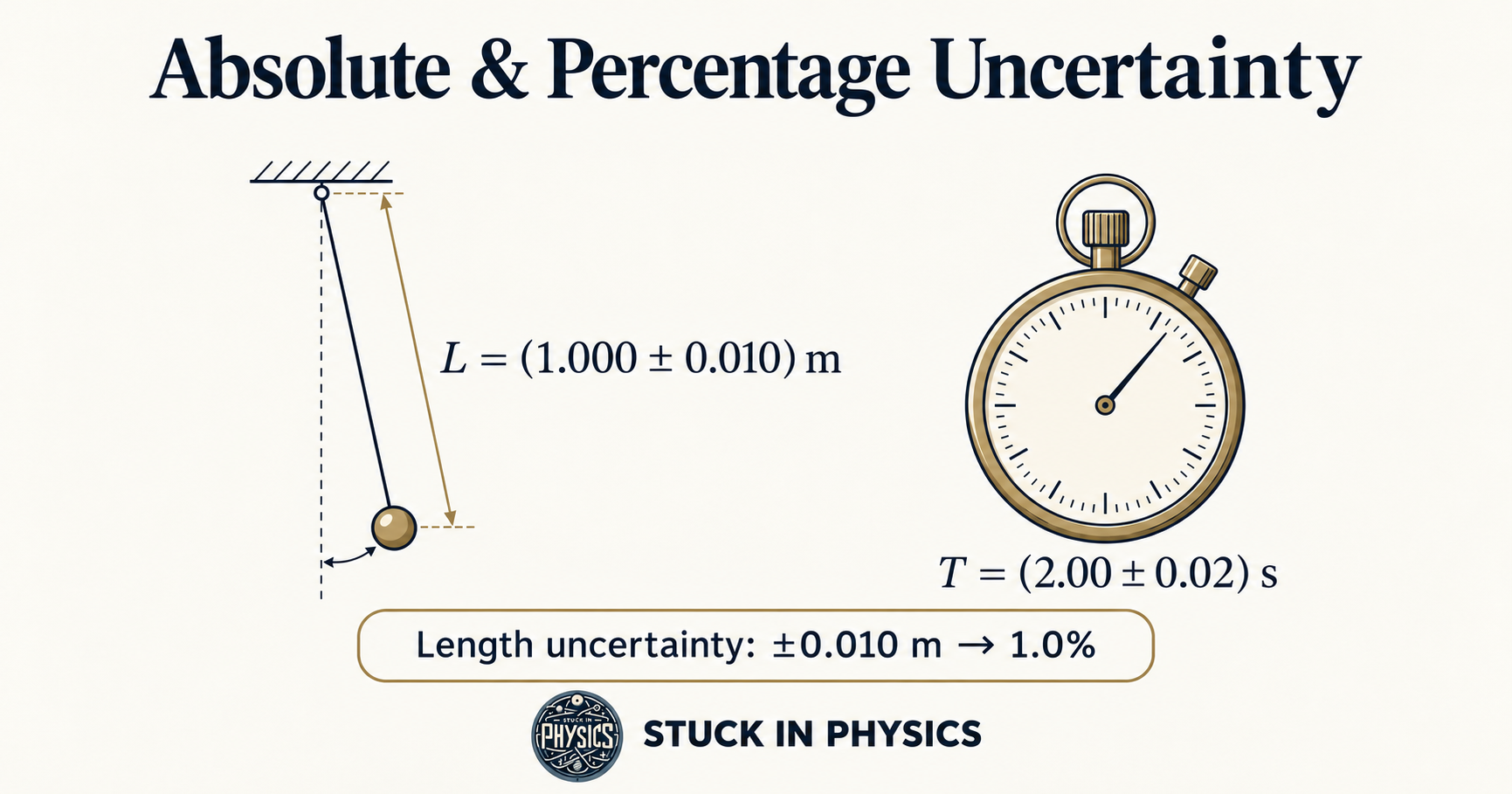
Learn how to calculate absolute and percentage uncertainty in IB Physics, combine uncertainties, and check experimental agreement with a worked pendulum example.
Physics ·
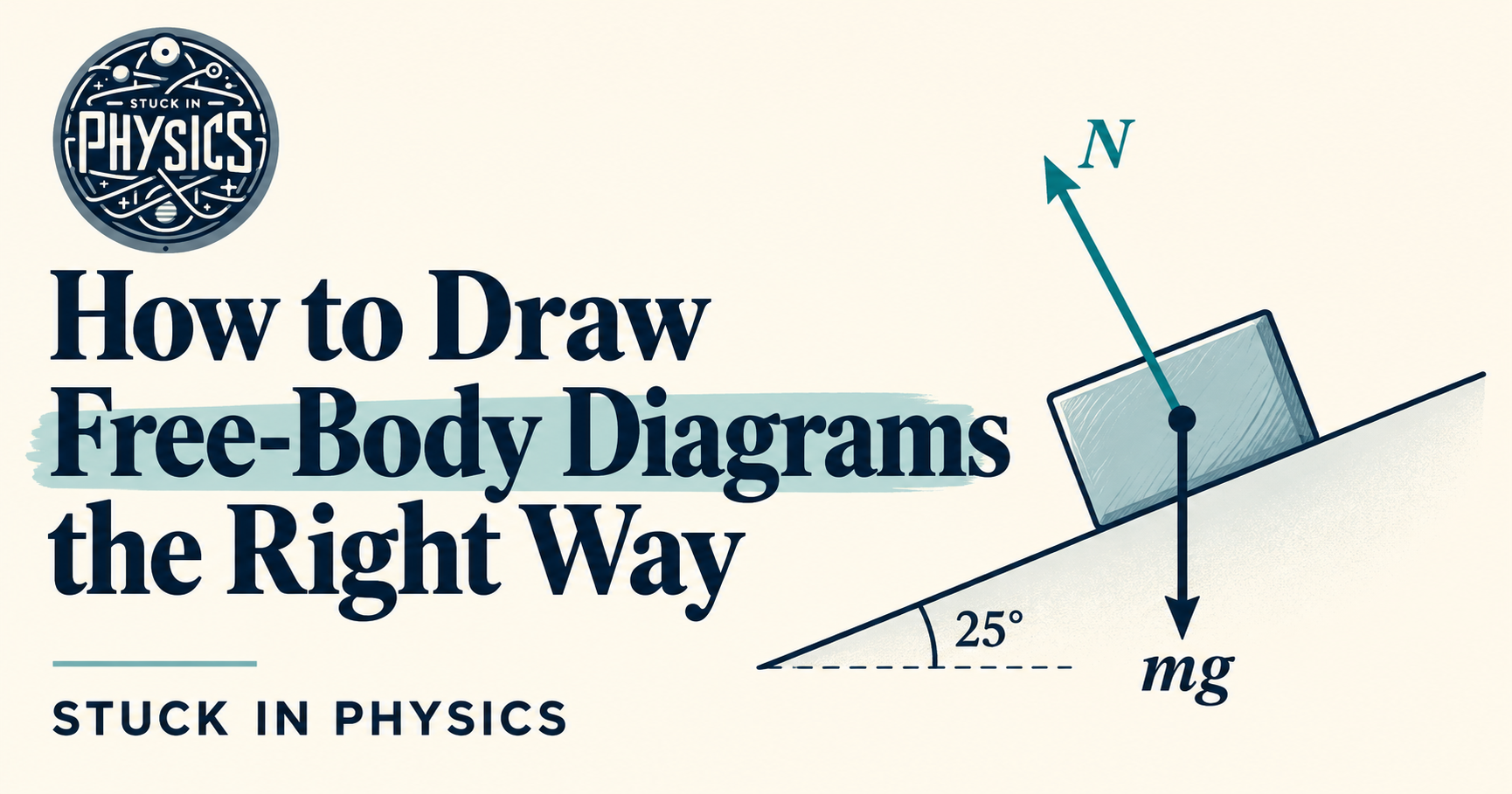
A free-body diagram shows the forces acting on one object. Learn what to include, what to leave out and how to turn the diagram into an equation.
suvat ·
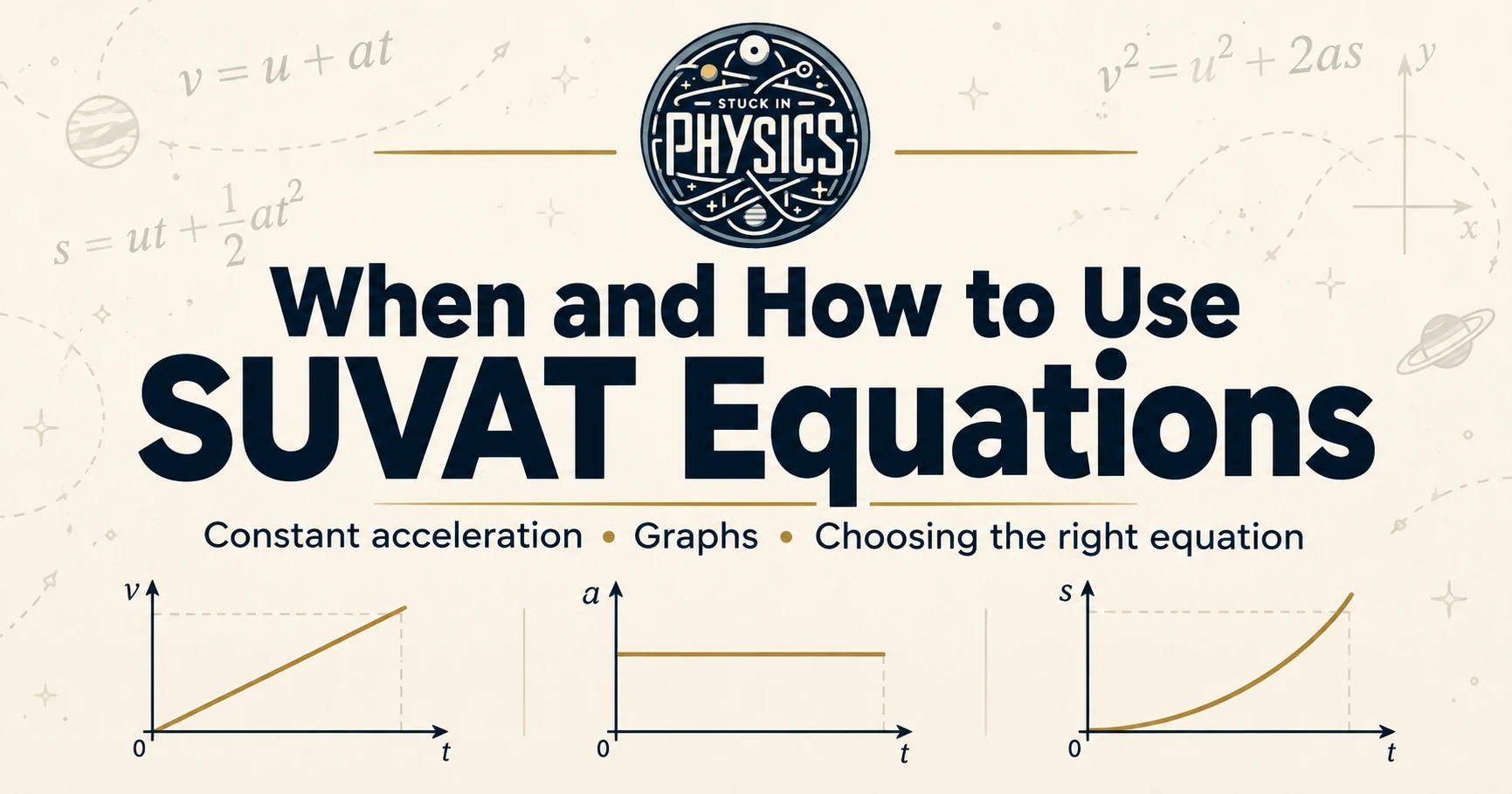
Learn when to use SUVAT equations, how constant acceleration appears on acceleration-time, velocity-time and displacement-time graphs, and how to choose the correct SUVAT equation for kinematics problems.